Home



Exhibitions
Upcoming
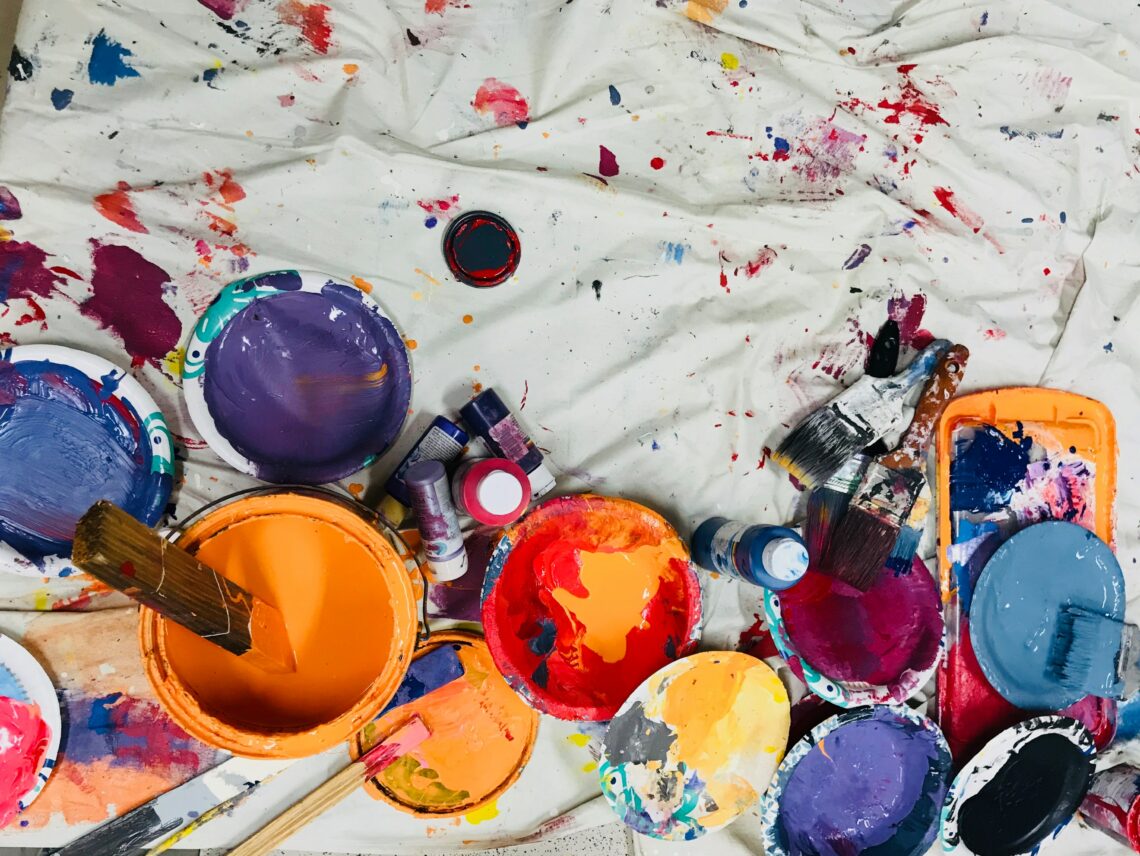
Oh yes! We look and marvel at the wonder world of the Kunsthalle during playful discovery tours. Here our little ones hear their first stories about colors, shapes and artists. Afterwards, there is space and time for drawing and blotting, muddling, painting and modeling for all it’s worth.
The course is aimed at children aged 3 to 5 years with an adult accompanying them.
This ongoing course has been running since September 9. takes place weekly (except on holidays), consists of 4 sessions, and ends on September 30.
Please buy your ticket before the first appointment. It is not possible to join at a later date.
Registration and Information:
Tania Müller
mueller@kunsthalle-bielefeld.de
T 0521.3299950-18
Zuhal Özbey
oezbey@kunsthalle-bielefeld.de
T 0521.3299950-19

Immersion in one’s own artistic exploration and the joy of experimenting form the foundation of the evening studio. The individual creative process is supported by group discussions.
The course is intended for teenagers ages 16 and older and adults.
This ongoing course has been taking place since August 26. takes place weekly (except on holidays), consists of 6 sessions, and ends on September 30.
Please purchase your ticket before the first session. It is not possible to join at a later date.
A maximum of 10 people can participate.
Registration and Information:
Tania Müller
mueller@kunsthalle-bielefeld.de
T 0521.3299950-18
Zuhal Özbey
oezbey@kunsthalle-bielefeld.de
T 0521.3299950-19
Follow your own line.
In this course there is space and time to develop your own ideas and express them using various design options. Let yourself be inspired by the exhibition or the suggestions of the course instructor Claudia Winkel and discover your own personal style through drawing, painting, collage or…etc. Your form of expression.
No previous knowledge is required, but it would be good to enjoy experimenting and be curious about surprises. A warm welcome!
This ongoing course has been taking place since August 26. takes place weekly (except on holidays), consists of 6 sessions, and ends on September 30.
Please purchase your ticket before the first session. It is not possible to join at a later date.
Registration and Information:
Tania Müller
mueller@kunsthalle-bielefeld.de
T 0521.3299950-18
Zuhal Özbey
oezbey@kunsthalle-bielefeld.de
T 0521.3299950-19
Guided tour of our current exhibitions.
anmeldung@kunsthalle-bielefeld.de
T 0521 329995018
Fridays from 3 p.m., at weekends and on public holidays on T 0521 32999500
Highlights

The Volksbank in East Westphalia and the Kunsthalle Bielefeld invite you to the next installment of the popular Sound Collection on Friday, September 25, 2026. Starting at 6 p.m., visitors can explore the current exhibitions while enjoying electronic music from the DJs of the Bielefeld-based collective NrzP.
Due to rising visitor numbers, the Sound Collection will remain open until 10 p.m. Admission to the Kunsthalle is until 9:30 p.m.
The Sound Collection has been a regular part of the exhibitions at Kunsthalle Bielefeld since 2021. The format combines art and music in a relaxed atmosphere and is generously sponsored by the Volksbank in Ostwestfalen. The centerpiece is the cooperation with the Bielefeld DJ collective Nummer zu Platz, which lends the event series its special signature.
The “Café Gemach Manhattan” in the Kunsthalle provides a relaxed atmosphere with a selection of drinks from 6 pm to 1 am. Here you can also dance to the music of the DJs. Admission to the Kunsthalle Bielefeld is free on this evening.

Experience the Traditions of Fermentation
Fermented foods such as sauerkraut, kimchi, bread, and kefir have a very long tradition. The various cultures around the world have produced a wide variety of fermented foods. Whether it’s ginger beer or kombucha, bread or soy sauce, or even sauerkraut or kimchi. What all these products have in common is that they are very healthy and have a very long shelf life.
In this workshop, we’ll learn the basics of fermentation and explore two different fermentation cultures. What sets them apart, and where might there be similarities? We make our own sauerkraut and kimchi, and at the end of the session, we taste the already fermented versions. Participants in the “Saz Meets Trombone” workshop will be joining us for a meal, and in return, we’ll be treated to a musical performance afterward. Let’s build bridges together!
About the speakers:
Dr. Fabian Czerwinski is an expert in fermentation and, through his fermentation company “Schnelles Grünzeug,” supplies Bielefeld and the surrounding area with fresh fermented vegetables.
Kyungwon Shin lives in Bielefeld and has brought with her a wealth of knowledge about traditional fermented foods, such as kimchi, from her native Korea. She shares her enthusiasm through various courses.
This event will take place at the Einschlingen Educational Center.
To participate, you must register in advance on the Einschlingen Educational Center’s website. You can get there via“Ticket.”
For further inquiries, please contact: Linda Bonifairt, linda.bonifait@einschlingen.de
The event is part of the cooperation project “Building Bridges – Creative and Sustainable”. This is a joint project of the Bildungsstätte Einschlingen, the IBZ Friedenshaus e.V. and the Kunsthalle Bielefeld. The aim of the project is to bring people from different backgrounds together through shared interests. The project aims to help people come into contact with each other beyond their usual social groups.

For “Saz Meets Trombone,” we’re inviting saz and trombone players to come together to share music and stories. The saz is a central instrument in Alevi culture and religion, while the trombone and other wind instruments are deeply rooted in Protestant congregations. We experience the diversity of Alevi and Protestant musical traditions and learn how music can bring people together.
Sonja Ramsbrock introduces us to the trombone and its significance today. She studied music, majoring in trombone, and has been working with two trombone choirs at the Protestant Church in Bielefeld for 25 years. Under her direction, children, teenagers, and adults learn to play and make music together on brass instruments. On Saz, Awaz Bariş will guide us through the afternoon. We’ll kick things off with a taste of what’s to come at the “Sauerkraut Meets Kimchi” workshop—the participants in that workshop will be joining us for a musical preview. Let’s build bridges together!
This event will take place at the Einschlingen Educational Center.
To participate, you must register in advance on the Einschlingen Educational Center’s website. You can get there via“Ticket.”
For further inquiries, please contact: Mirek Bohdálek, mirek.bohdalek@einschlingen.de
The event is part of the cooperation project “Building Bridges – Creative and Sustainable”. This is a joint project of the Bildungsstätte Einschlingen, the IBZ Friedenshaus e.V. and the Kunsthalle Bielefeld. The aim of the project is to bring people from different backgrounds together through shared interests. The project aims to help people come into contact with each other beyond their usual social groups.

What does it mean to share—and why is it so relevant today? To accompany the first part of the exhibition *Divided Views*, we invite you to an evening event that explores the topic from various academic perspectives. In short keynote talks, Thomas Faist (sociologist, University of Bielefeld), Franca Parianen (neuroscientist), and Timo Skrandies (art historian, University of Düsseldorf) will discuss community, cooperation, and responsibility, as well as the question of under what conditions people share—or choose not to.
Afterward, the three guests will engage in conversation with one another and with the audience. An opportunity to explore the exhibition’s themes together and connect art with current social issues.

How are new images created from existing ones?
In a conversation with filmmaker and media artist Matthias Müller, the focus is on sharing as an artistic practice: from working with found footage to collective authorship to the montage of fragmented visual worlds.
Drawing on his work *Alpsee*, Müller speaks with the curators about how shared material gives rise to new perspectives and shared narratives—a central theme of the exhibition “Shared/Divided Views. Kunsthalle Bielefeld x KiCo Collection. Part I: Sharing and Being Shared“.

Sing. Connect. Move On: The EinTags!Chor – One Day Choir at the Kunsthalle Bielefeld II
“Will you go with me?”—at the EinTags!Chor, this becomes a warm invitation: Come by, bring your voice, and experience how a shared sound emerges from many different people. As part of the exhibition “Shared Views. Kunsthalle Bielefeld x KiCo Collection – Part II: Will You Walk With Me?”, the Kunsthalle will transform into an open sound space for an afternoon. In the current exhibition, works from two collections interact with one another: they complement, expand upon, question, and contradict each other. This gives rise to new lines of sight and perspectives—between historical and contemporary positions, between painting, space, abstraction, and movement. Just as works of art interact with one another, complement each other, and open up new perspectives, so too do different voices and experiences come together in song.
We bring these thoughts with us into our choral singing: We connect with others, listen to one another, discover old and new songs, and bring together many individual voices to form a single choir. Voice training and singing aren’t about perfection, but about openness, curiosity, and the joy of creating something together. Even though our views sometimes differ, we can listen to one another, come together, and set out on a musical journey.
Anyone who enjoys singing or would simply like to give it a try is welcome to join—whether you have choir experience or not, whether you’re young or young at heart, an amateur or a professional. You don’t need to know how to read music. The only thing that matters is the desire to share your own voice.
Registration isn’t required, but you’re welcome to sign up—that way, you’re guaranteed a spot and we can plan better. Tickets can be reserved by email at:
info@klangfestival-bielefeld.de
Led by: Kamilla Matuszewska and Nike Schmitka
Organizer: Klang!Festival e. V. in collaboration with the Kunsthalle Bielefeld
One day. A choir. Many voices. A shared journey.
Offers
Art A to Z
Art A to Z
Tours
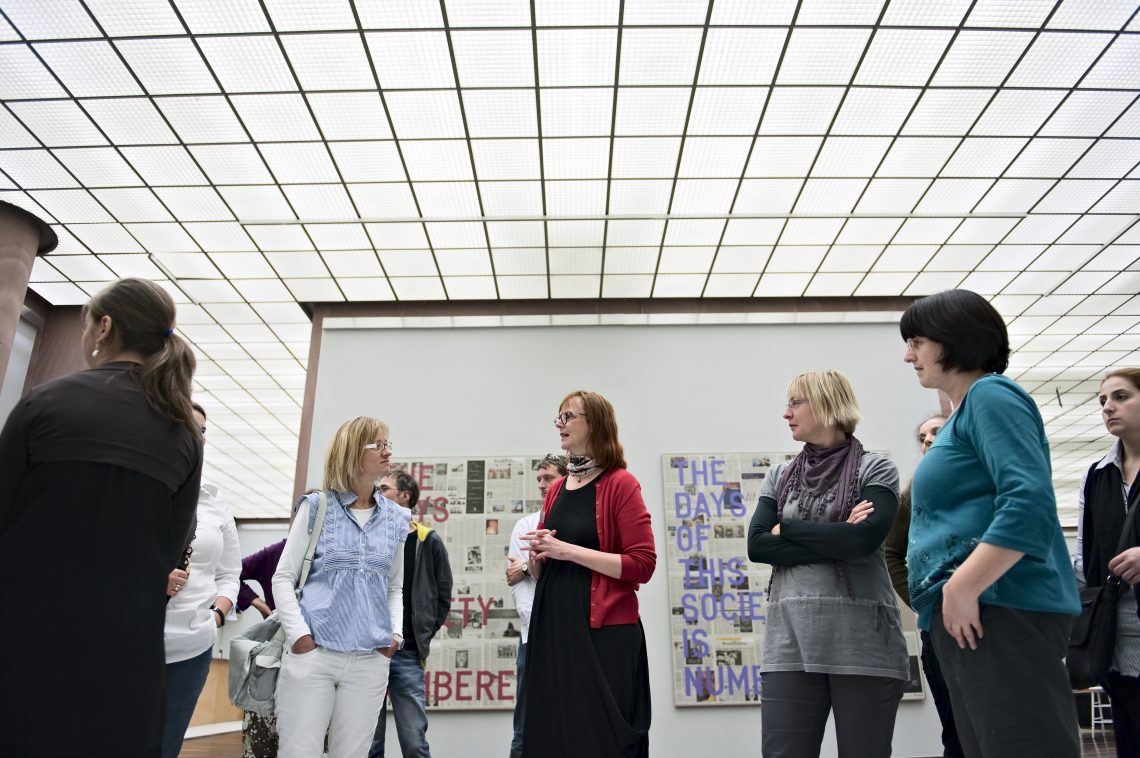
We look forward to welcoming you to a guided tour of the Kunsthalle Bielefeld. On this page you will find our offer!
Schools and daycare centers
To the museum with schools and daycare centers: Aesthetic education – tailored to your needs!
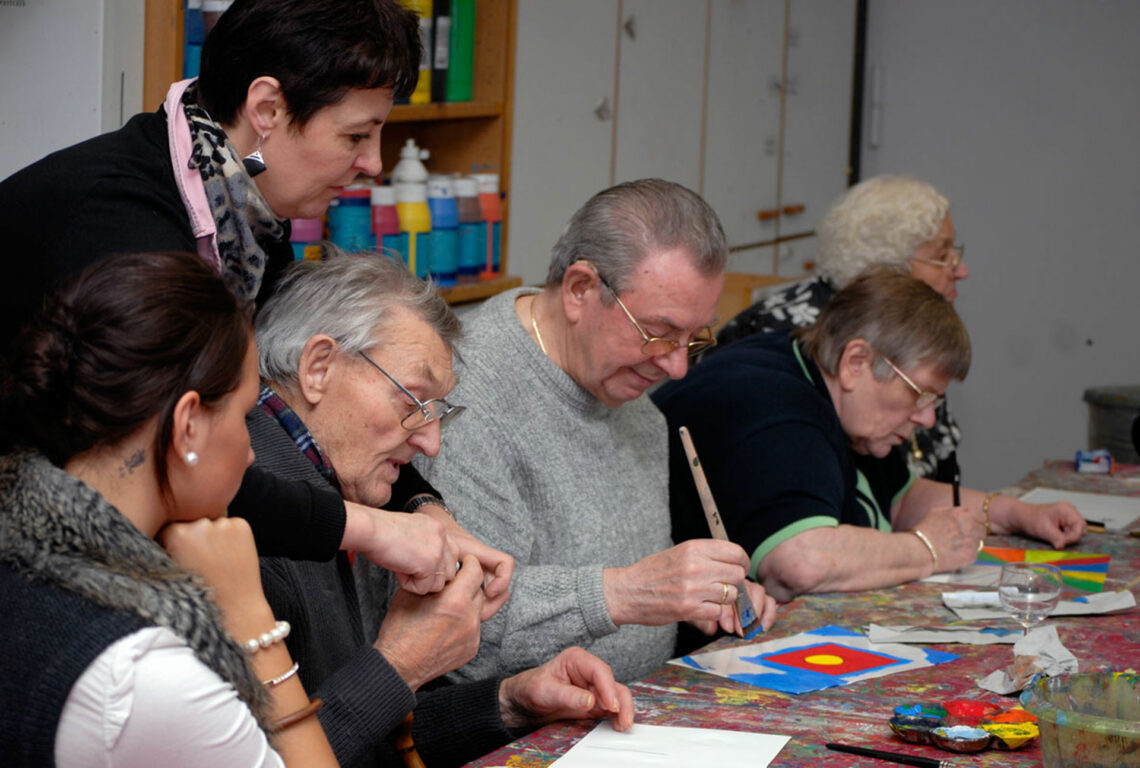
Geragogics – offers for older people
Creative courses
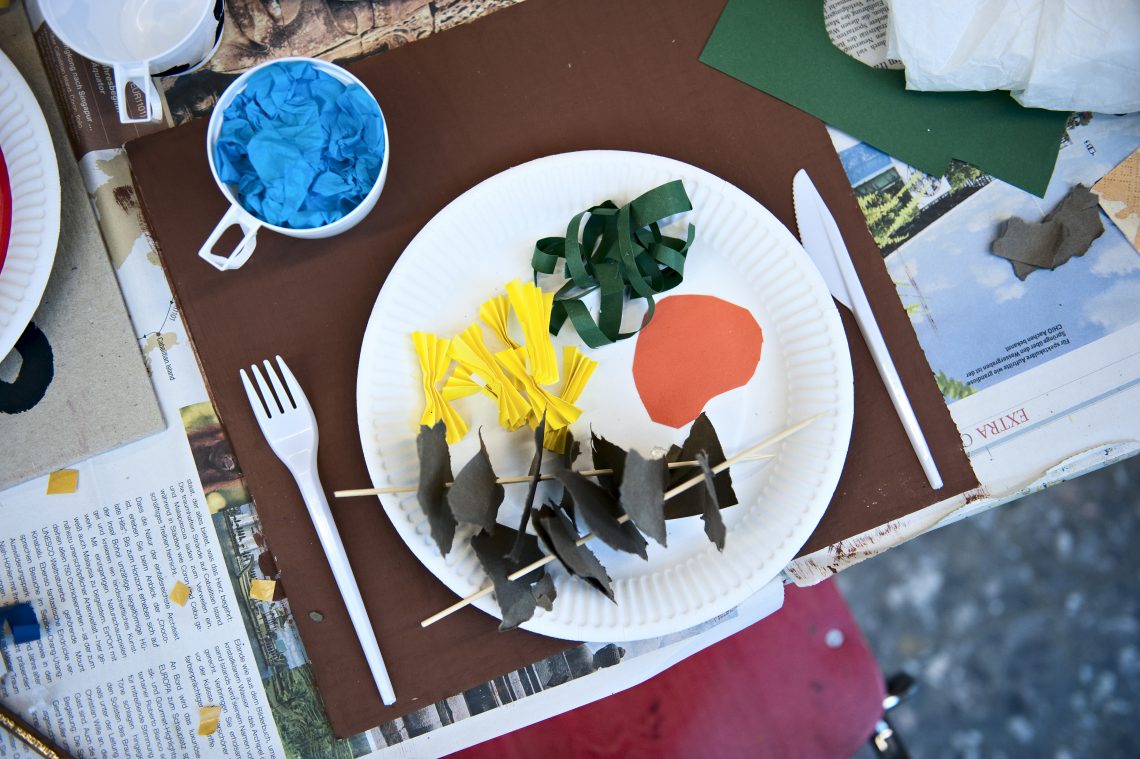
Our courses for children, teenagers and adults: get active yourself, try out techniques and have fun!
Offers for the whole family
There is something for all ages in the Kunsthalle! Whether it’s family time, Sunday workshops or birthdays – in addition to special events, we regularly offer programs for children, young people and families.
Vacation games
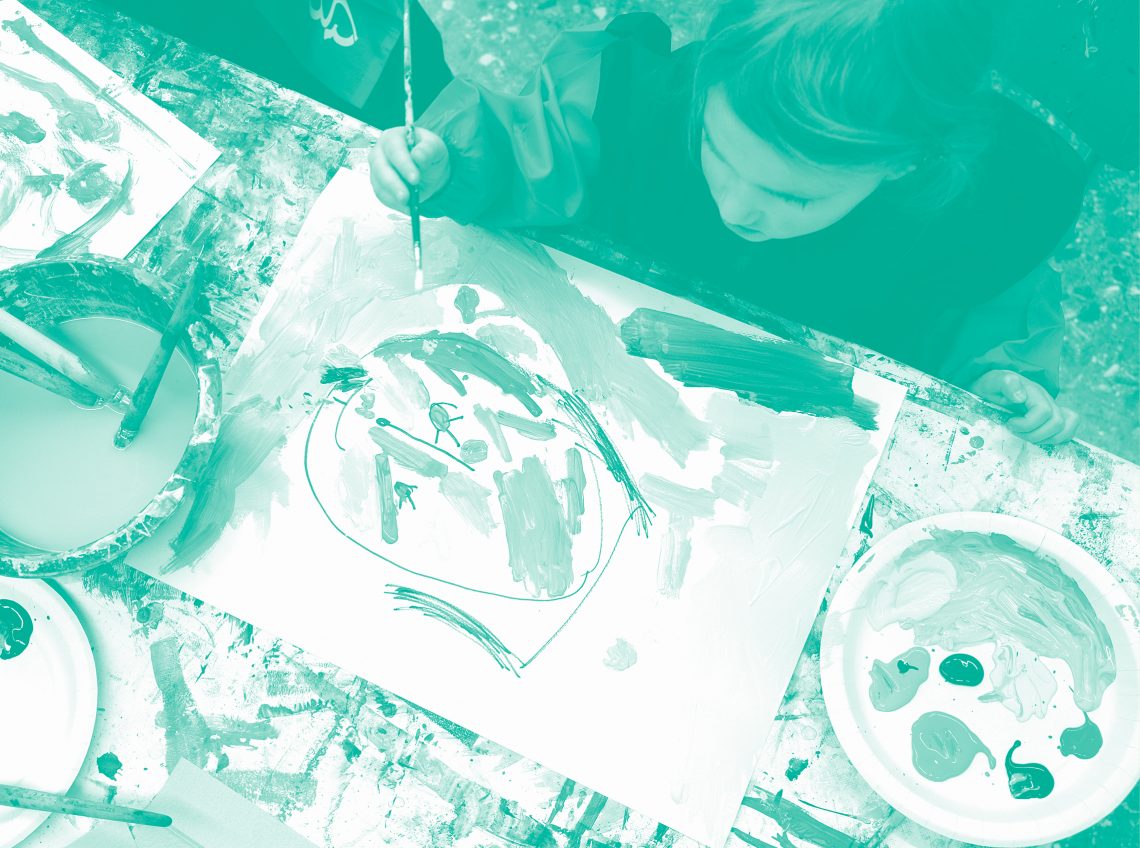
Enjoyment of art and creativity during the vacations! Our half-day offers for children from 6 to 12 years.
Off to the museum
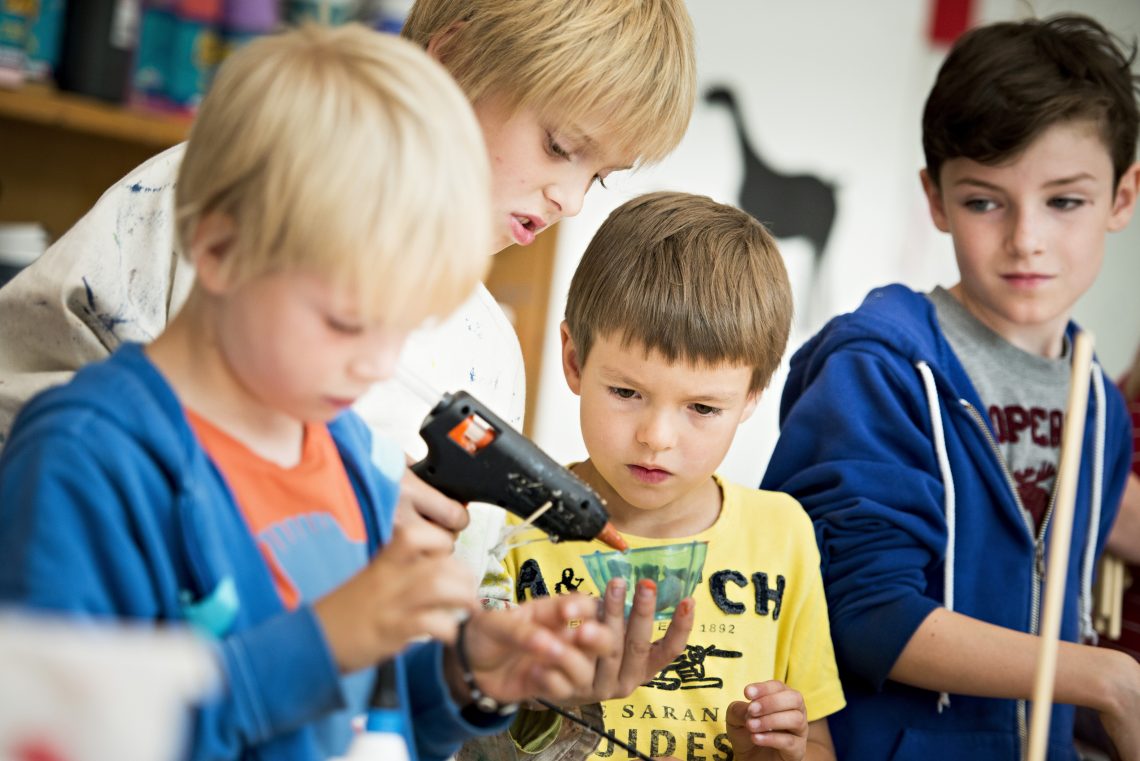
Whether you come with your family, friends or with the daycare center and school, the exhibition is free to visit. We are looking forward to seeing you!
KB Journal
Artist interview with Lars Rosenbohm

The Bielefeld artist Lars Rosenbohm explores the human condition in his haunting, sometimes disturbing depictions and reflects experiences of our time. Questions for the artist about his work from curator Felicitas von Richthofen.
Thomas Handke: What does the Kunsthalle Bielefeld sound like?
Cooperation with the HSBI 2022/23
Yana Wernicke: From quarry to art gallery – the red Main sandstone
Cooperation with the HSBI 2022/23

Vincent Hölscher: Engine room
Cooperation with the HSBI 2022/23

Jonas Feige: The atmosphere of the Kunsthalle Bielefeld
Cooperation with the HSBI 2022/23

These are our architects
Caruso St John Architects have been appointed

Caruso St John have been appointed architects for the renovation of the Kunsthalle Bielefeld
The path to a climate-friendly museum
A contribution by Prof. Peter Gorschlüter
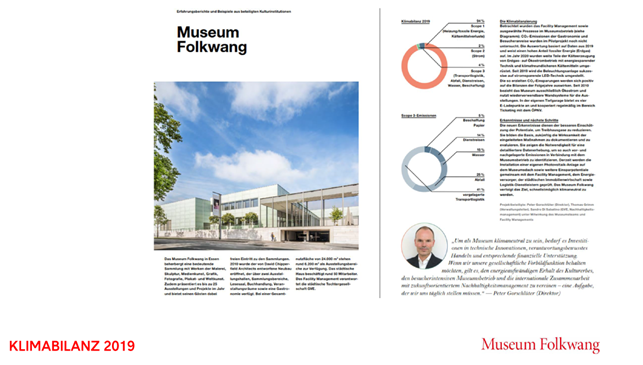
A blog post by Prof. Peter Gorschlüter on his lecture ‘The path to a climate-friendly museum’.
Look up – the road to a green museum
A contribution by Prof. Dr. Stefan Simon
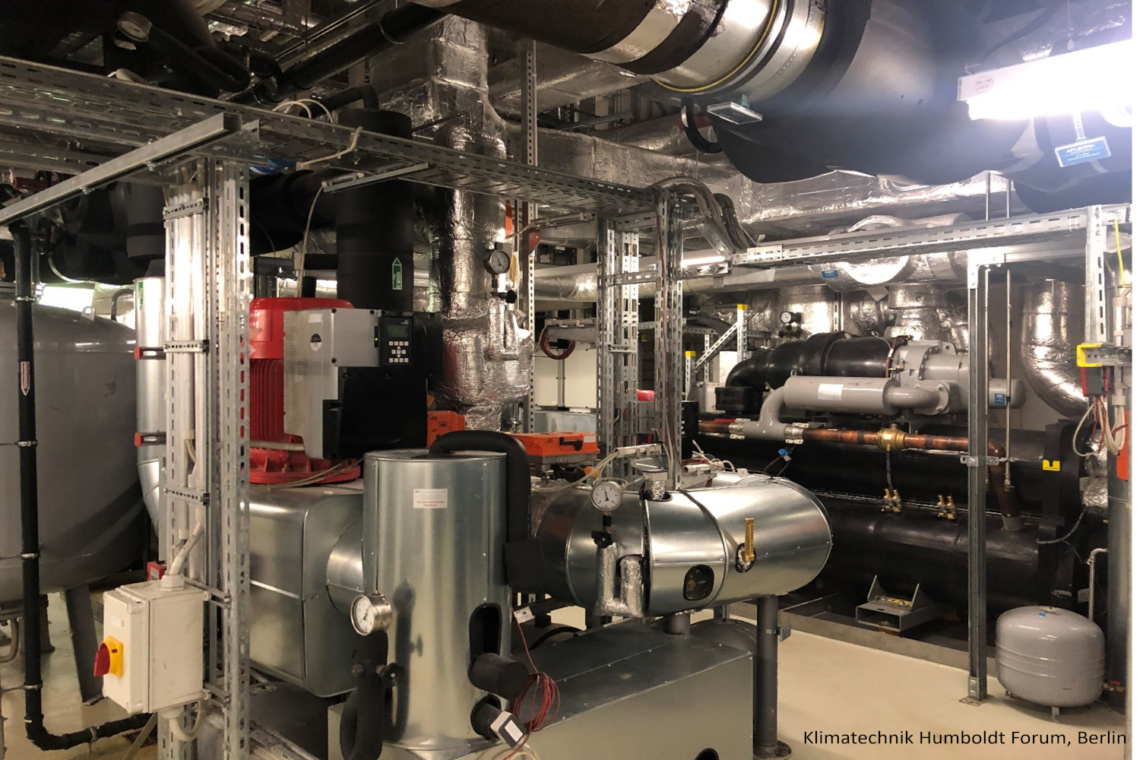
A blog post by Prof. Dr. Stefan Simon on his lecture ‘Look up – the path to the green museum’.
Peace with Gaia – perspectives, possibilities and limits of cultural institutions in the sustainability transformation process
A contribution from Ministerial Councillor Ralph Zinnikus
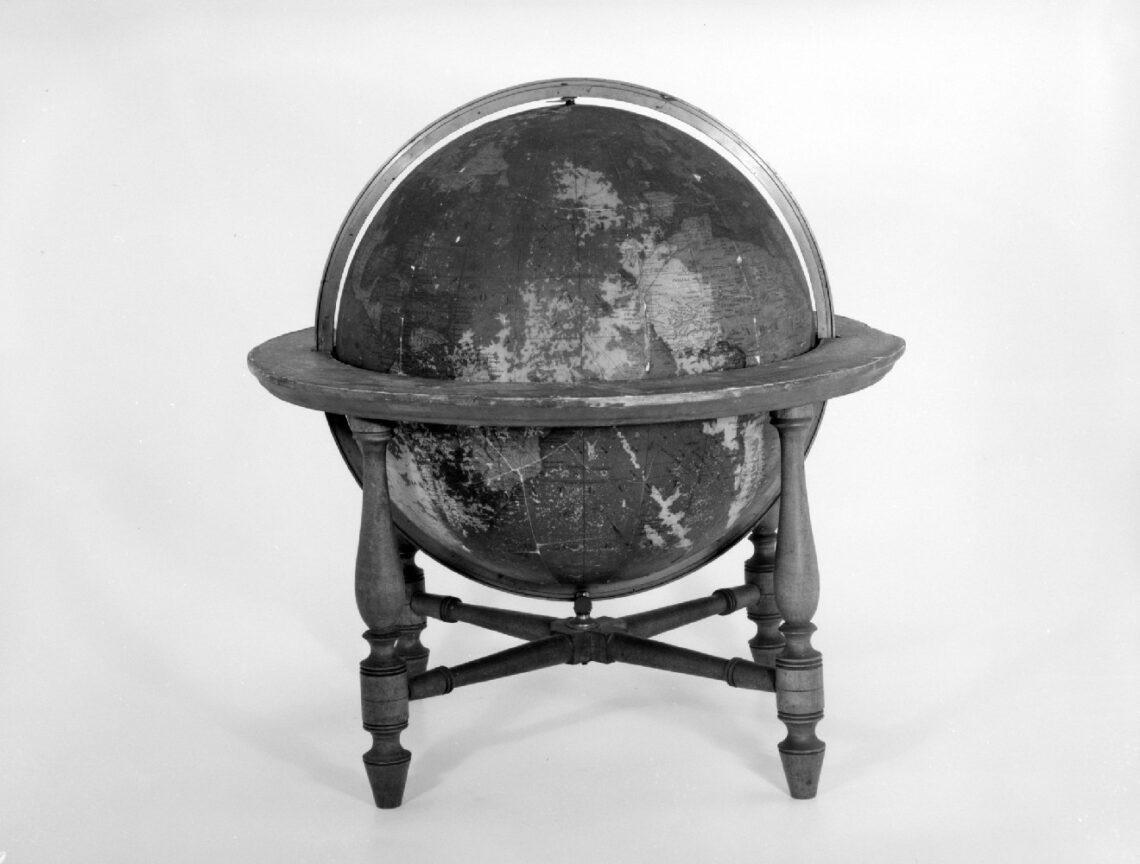
A blog post by Ministerialrat Ralph Zinnikus on his lecture ‘Peace with Gaia – perspectives, possibilities and limits of cultural institutions in the sustainability transformation process’.
Curating as Care Work: Of the Museum Climate in Planetary Interdependencies and Cultural Imaginaries.
A contribution by Prof. Dr. Elke Krasny
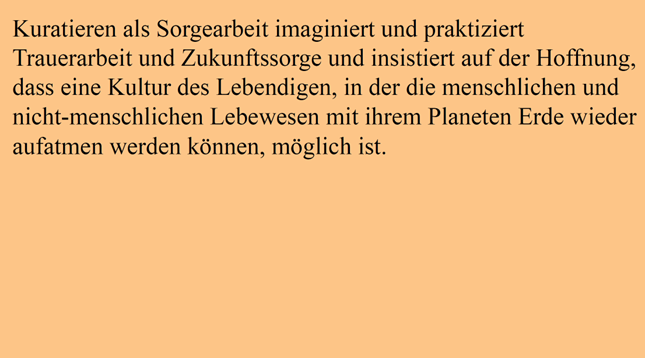
A blog post by Prof. Dr. Elke Krasny on her lecture ‘Curating as care work: On the museum climate in planetary interdependencies and cultural imaginaries’.
The city, the box, the art and the climate. Attempt at a relational reassembly
A contribution by Prof. Dipl. Ing. Bernd Kniess
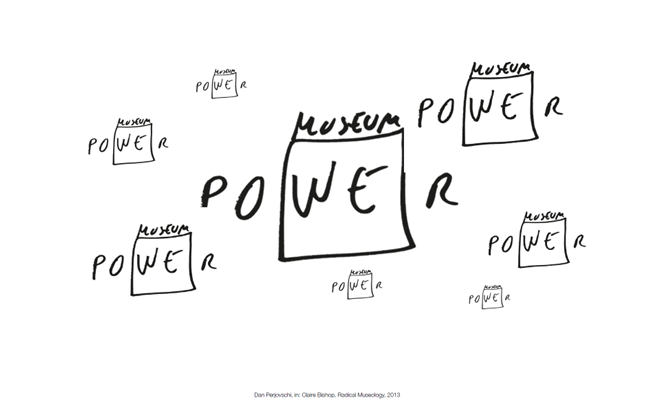
A blog post by Prof. Dipl. Ing. Bernd Kniess on his lecture ‘The city, the box, art and the climate. Attempt at a relational reassembly’.
Exhibiting and preserving as toxic paradigms. Can cultural institutions negotiate the environmental crisis?
A contribution by Prof. Dr. Peter J. Schneemann
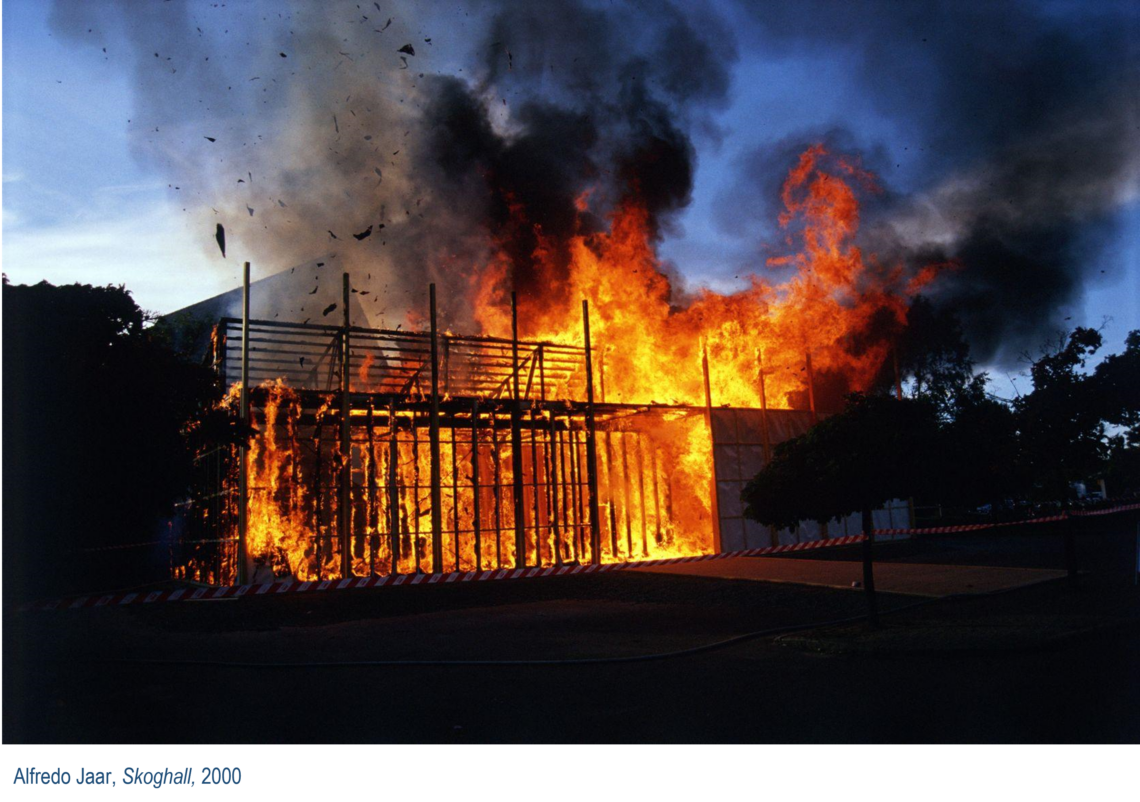
A blog post by Prof. Dr. Peter J. Schneemann on his lecture ‘Exhibiting and preserving as toxic paradigms. Can cultural institutions negotiate the environmental crisis?
Rewilding the white cube: the role of art museums in tackling the climate emergency
A contribution from Frances Morris
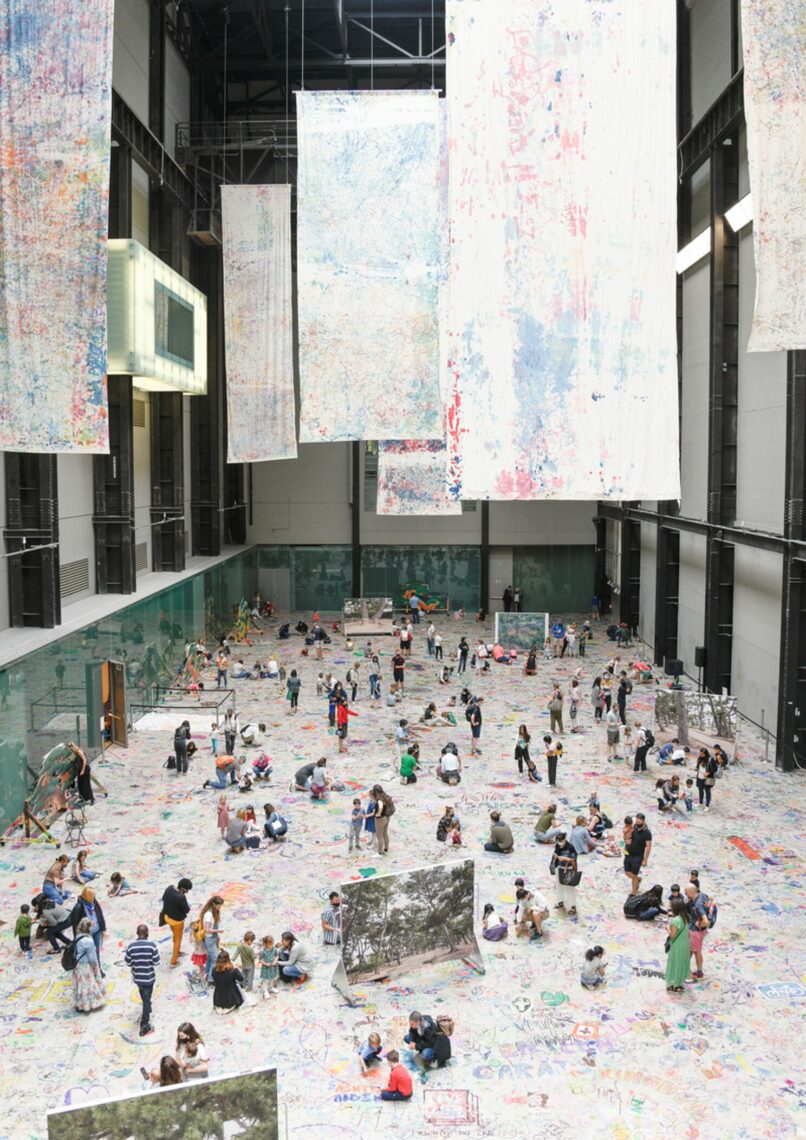
A blog post by Frances Morris on her talk ‘Rewilding the white cube: the role of art museums in addressing climate emergency’.
The spatial culture of the museum
A contribution by Prof. Dr. Kali Tzorzti
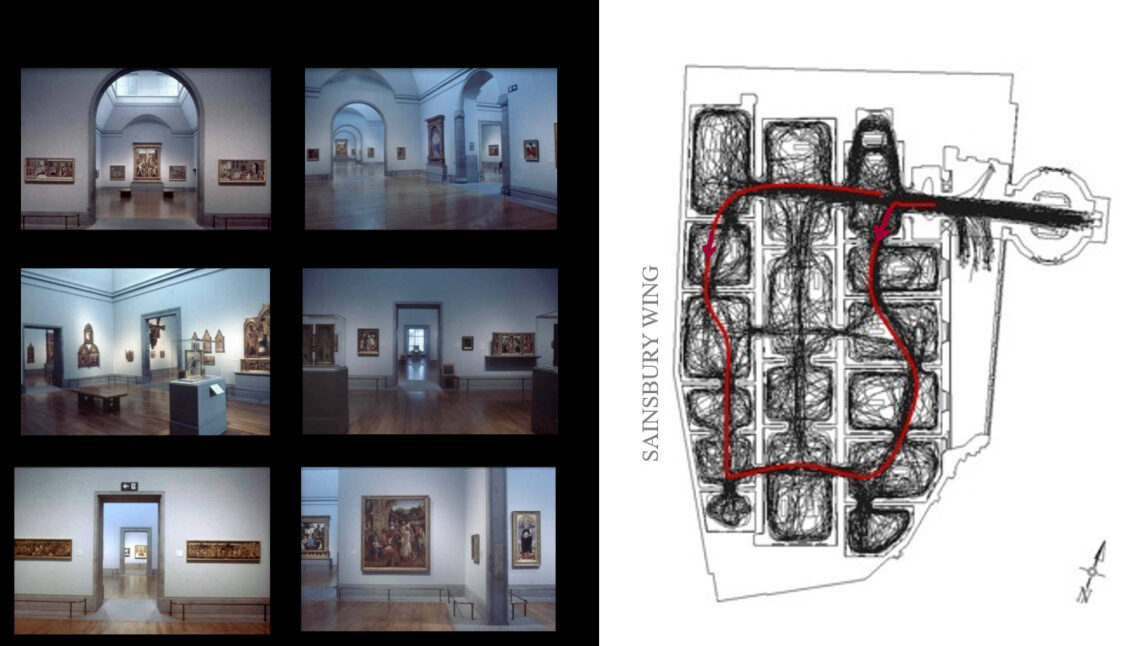
A blog post by Prof. Dr. Kali Tzorzti on her keynote lecture ‘The spatial culture of museums’.
Vulnerable Processes. Vulnerable Processes. A Curatorial Reflection on the Museum in Transition.
A contribution by Prof. Dr. Doreen Mende
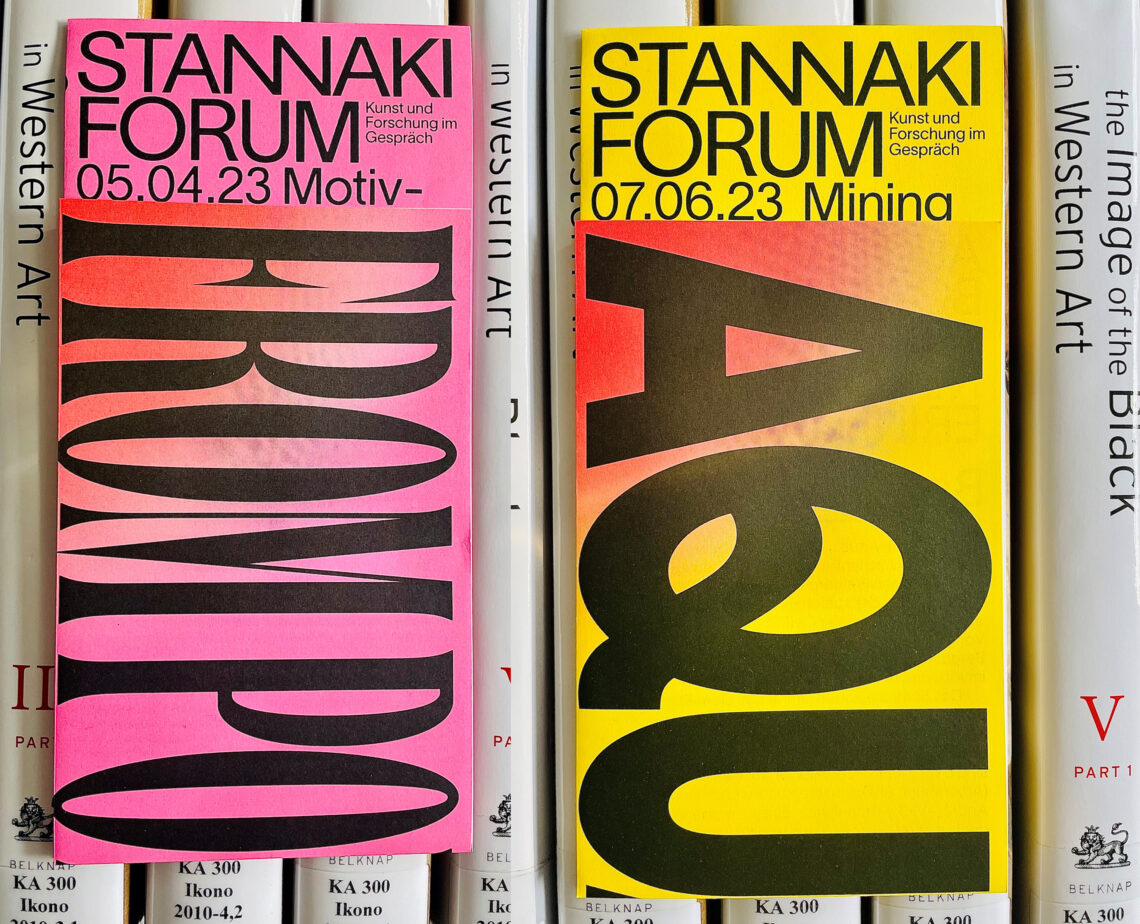
A blog post by Prof. Dr. Doreen Mende on his keynote lecture ,Vulnerable Processes. A Curatorial Reflection on the Museum in Transition.’
Abhängen statt aufhängen? – Museum Spaces and the New Ethics of Communitization
A contribution by Prof. Dr. Karen van den Berg
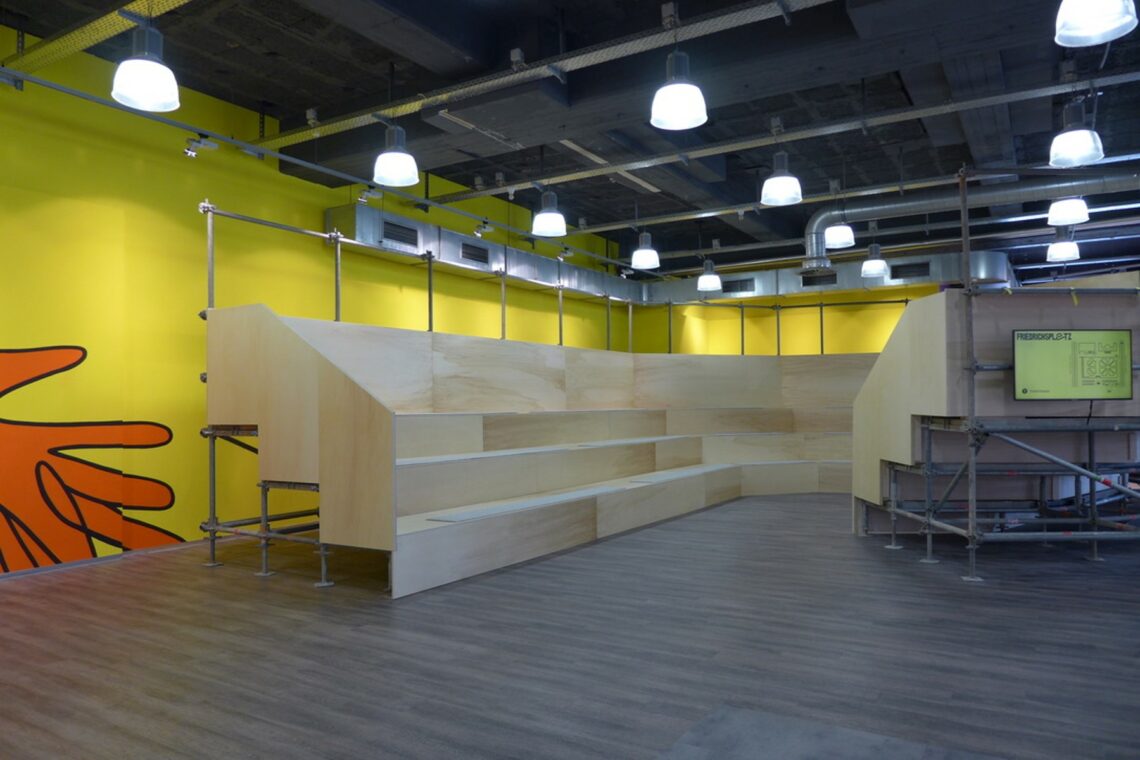
A blog post by Prof. Dr. Karen van den Berg on his impulse lecture ,Hang up instead of hanging up? – Museum Spaces and the New Ethics of Communion’.